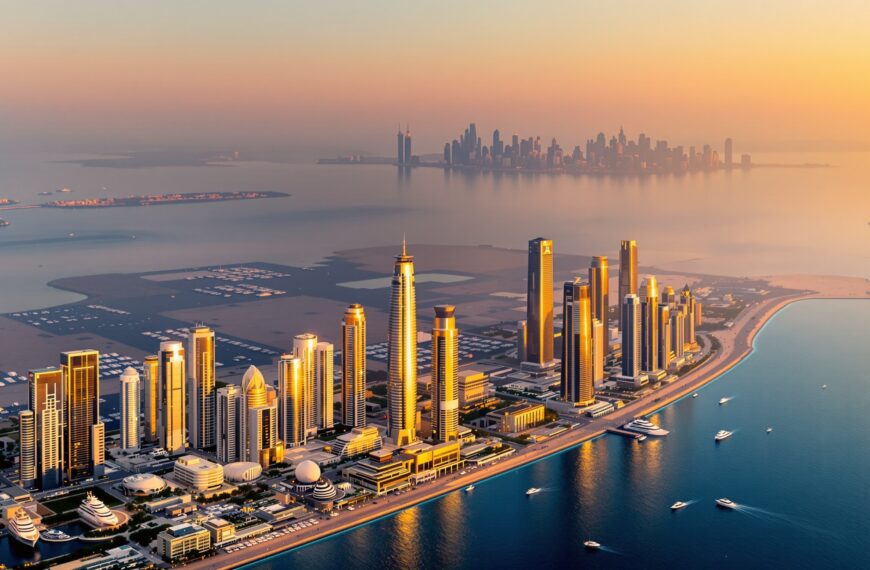
Dubai is a rapidly growing market that attracts investors worldwide. However, there are risks as well as opportunities. Here are 10 important points to consider during the investment process:
1. Be Familiar with the Laws
Although Dubai laws are flexible for foreign investors, be sure to learn the rules of RERA (Real Estate Regulatory Authority).
2. Is the Developer Reliable?
Review the past projects of the company presenting the project. Established developers such as Emaar, Sobha, and Damac are more reliable.
Choosing the Right Area Is Just as Important as Getting the Lowest Price
While areas such as Dubai Marina and Downtown are gaining value, areas such as JVC or Dubailand offer high long-term returns.
4. Pay Attention to the Delivery Date When Buying Off-Plan
No matter how attractive the delivery time and payment plan may be, check whether it will be delivered on time.
5. Is the Rental Income Realistic?
Projects promising an 8-10% rental yield appear attractive, but be sure to analyze the regional supply-demand balance.
6. DLD (Dubai Land Department) Approval Required
The property you purchase must be registered in the DLD system. This ensures that your title deed is legally secured.
7. Tax Advantage or Luxury Consumption?
There is no income tax in Dubai, but living expenses can be high. Your investment should have a reasonable return.
8. Check the Type of Title Deed
Understand the types of title deeds: Freehold (title deed is yours) and Leasehold (long-term lease).
9. Banking and Fund Transfers
Opening a bank account in Dubai can take time. Plan your fund transfers in advance and seek expert assistance if necessary.
10. Don't Invest Without Consulting an Advisor
Licensed, experienced consultants save you both time and money. Even though every transaction appears digital, expert advice is essential.
In conclusion, when investing in real estate or business in Dubai, proper analysis, a solid legal framework, and professional support will lead you to a profitable and secure outcome.