For those looking to invest abroad, Dubai and Greece are the two most popular locations in recent years. However, the opportunities and advantages offered by each are quite different. When making a decision, it is important to consider not only the potential returns but also details such as lifestyle, residency permits, tax structures, and the investment's payback period.
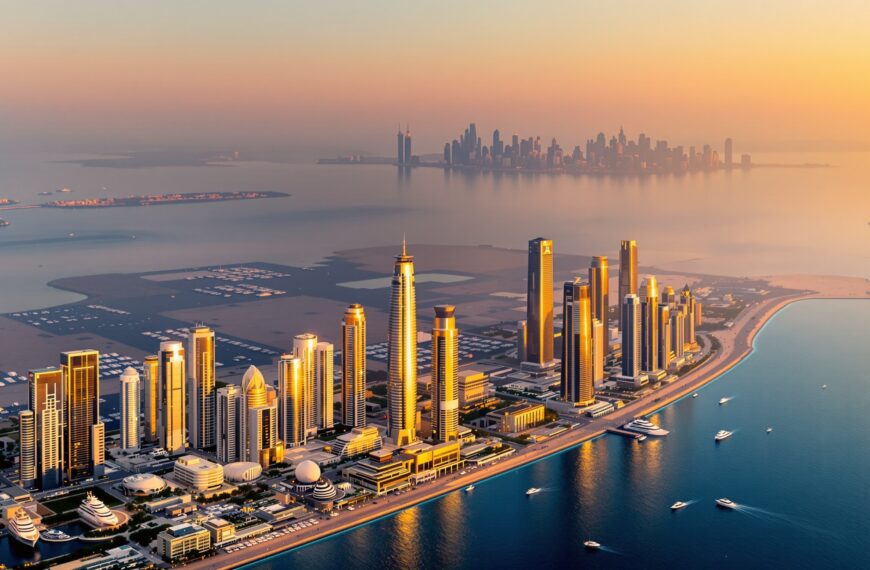
Dubai stands out with its rapidly growing economy, zero income tax, and high rental yields. For real estate investors in particular, net rental yields of 7-10% are highly attractive. Projects are generally modern, newly delivered, and located in developing areas. Transactions are also digital and fast; thanks to the DLD system, title deeds are processed transparently and securely.
Greece stands out for its membership in the European Union and its Golden Visa program , which requires a real estate investment of €250,000. This allows investors to obtain residency in Greece and benefit from free movement within the Schengen area. Although rental yields are lower than in Dubai, the investment is considered more for lifestyle planning and long-term citizenship opportunities.
If we were to compare:
- Dubai is more suitable for those seeking return-focused investments
- Greece stands out for those considering residency permits and European life
- Tax-free income: Dubai offers advantages
- Free movement within the EU: Greece has an advantage
- Title deed and purchase process: Digital in both countries, but faster in Dubai
- Cost of living: Lower in Greece, more luxurious and higher standard in Dubai
Ultimately, which country is more suitable depends on your investment goals and life plans. If your goal is strong rental income and profit, Dubai may be the better choice; if your goal is family residency and long-term living in Europe, Greece may be a more suitable option for you.