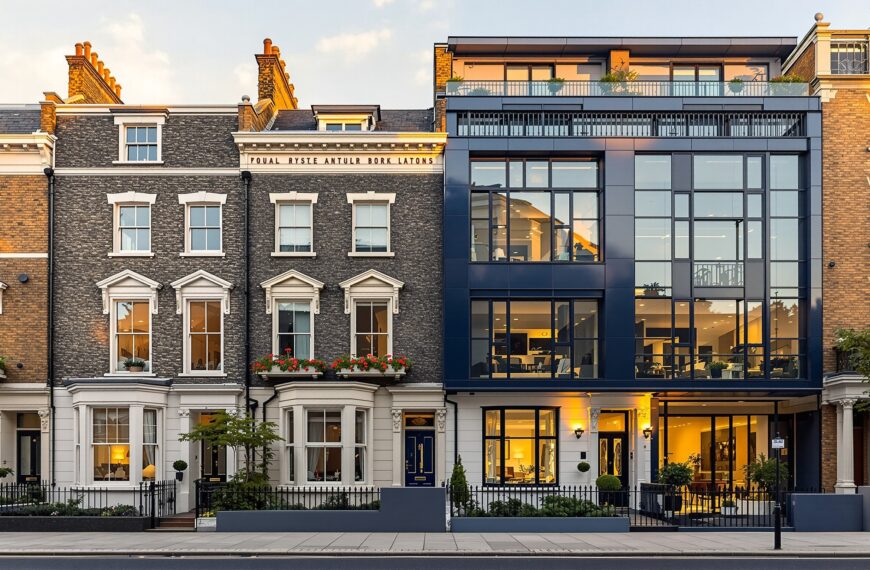
When Brexit was first announced, most people saw it as a “risk,” but things played out a bit differently for investors. The UK market experienced a brief slowdown, the pound fell, and this actually opened a window of opportunity for outside investors. Because it became possible to access better locations with the same budget. Especially in London —a market where entry is typically difficult—prices stabilized for a time, reducing the risk of “buying at the peak” and offering a healthier buying opportunity.
Actually, it’s quite simple: the market isn’t crashing; it’s just readjusting. Periods like this are usually the best times to enter the market. This shift in balance is precisely why investors looking at the UK are still buying today. The pullback in the pound has created a significant advantage for foreign currency-based investors; in other words, they can purchase more valuable properties with the same amount of money.
- With prices remaining under pressure for some time, buyers have gained bargaining power; it’s no longer the “take what you can get” era of the past.
- Demand hasn’t disappeared—it’s just taken on a different form; students, workers, and foreign professionals continue to keep the rental market vibrant. Alternative cities outside London have also begun to emerge, offering new opportunities for those seeking higher rental yields.
- Since the UK’s legal system and property rights remain unchanged, confidence among investors remains very strong.
In the end, Brexit didn’t disrupt the market—it made it more accessible. That’s why many investors are still entering the UK market today: more balanced prices, less competition, and still-strong demand. Frankly, the question isn’t “Does the UK make sense?” but “How much longer will this opportunity last?” Because periods like this don’t usually last long; those who enter early gain the advantage.